

Your eyes feel itchy, irritated, and just plain uncomfortable, but you’re not sure if it’s allergies, dry eye, or something else entirely. At Heartland Eye Consultants, we see many patients dealing with exactly this kind of overlap, and we know how to help them find relief.
Yes, allergies can cause or worsen dry eye symptoms. The two conditions can happen at the same time. Knowing the difference and the connection can help you find relief faster. If you’re curious about how dry eyes affect your day-to-day comfort, it helps to understand the ways that dry eyes and blurry vision often go hand in hand.
The Link Between Allergies & Dry Eyes
When allergens like pollen, pet dander, or dust enter your eyes, they set off an inflammatory response. That inflammation can disrupt your tear film, the thin layer of moisture that keeps your eyes comfortable and clear.
A healthy tear film does a lot of quiet work. When your tear film becomes unstable, your eyes may feel dry, irritated, or watery all at once. Allergies don’t just cause temporary discomfort—they can make an already dry eye situation noticeably worse over time.
Learning more about dry eye and its underlying causes can help you understand what your tear film needs to stay stable.
Allergy Symptoms vs. Dry Eye Symptoms
Signs Your Eyes Are Reacting to Allergens
Allergic reactions tend to have a few telltale signs. The biggest one is intense itching—a deep, unrelenting urge to rub your eyes. You might also notice:
- Swollen or puffy eyelids
- Watery eyes paired with a runny nose
- Redness that flares up after being outdoors or around pets
Signs of Dry Eye Syndrome
Dry eye feels different. Instead of itching, you’re more likely to notice a gritty or sandy sensation, as if something small is stuck in your eye. Other common signs include:
- Burning, stinging, or general soreness
- Excess tearing that comes and goes
- Light sensitivity, especially indoors or while looking at screens
Why Allergies Make Dry Eyes Worse
When your body detects an allergen, it releases histamines. These same histamines also contribute to inflammation that interferes with how your eyes produce and maintain tears.
Here’s where it gets tricky: many of the antihistamines that you take to ease allergy symptoms can actually reduce tear output as a side effect. So, while they might help with sneezing, they might also make your eyes feel drier.
A weak tear film also allows allergens to sit on the eye’s surface longer, keeping the cycle going.
Simple Ways to Find Relief
Everyday Adjustments That Help
A few small changes to your daily routine can help take some of the edge off. On high pollen days, keeping windows closed and using air conditioning helps limit how many allergens get into your home. When you do head outside, a pair of wrap-around sunglasses can act as a physical barrier between your eyes and airborne allergens.

Over-the-counter artificial tears are another helpful tool. Using them regularly can flush allergens away from the eye’s surface and keep your tear film more stable throughout the day. Look for preservative-free options if you plan to use them more than a few times daily.
For those people whose symptoms go beyond what drops alone can handle, personalized dry eye therapy offers more targeted options based on what’s actually happening with your tear production.
When to Talk to an Eye Doctor
If your symptoms stick around even after trying at-home care, it’s worth getting a professional evaluation. As your eye doctors in Omaha, we can take a closer look at what’s actually going on, whether that’s allergies, dry eye, or a mix of both. Treatment options vary depending on your specific situation, and a one-size-fits-all approach rarely works well with eye conditions.
What to Expect at Your Eye Exam
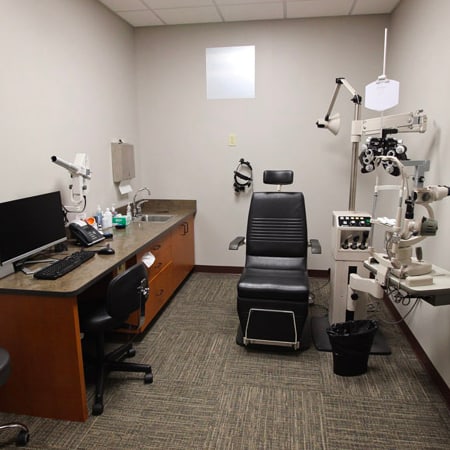
During your eye exam, your eye doctor evaluates your tear film and the overall health of your eyes. This helps identify whether dry eye, allergies, or both are contributing to your discomfort. From there, your eye doctor will develop a personalized treatment plan.
If you’ve been dealing with persistent eye irritation and aren’t sure where to turn, our team at Heartland Eye Consultants is ready to help. Reach out today to schedule an exam and get answers specific to your eyes.