

You may feel a constant gritty sensation in your eyes or notice that dry eye causes blurry vision that comes and goes throughout the day. This kind of discomfort can be frustrating and disruptive, leaving you to wonder what’s causing it and how long it will last. If these symptoms sound familiar, you could be experiencing meibomian gland dysfunction (MGD).
For many people, MGD is a chronic condition, which means the focus of treatment is on long-term management rather than a permanent cure. With consistent care and a personalized approach, the goal is to manage symptoms effectively and keep your eyes feeling comfortable.
What Is Meibomian Gland Dysfunction?
A Simple Look at Your Eyelid Glands
Your eyelids are lined by tiny meibomian glands that produce the essential oil layer for your tears. This oil is very important. It prevents your tears from evaporating too quickly and keeps the surface of your eye smooth. Meibomian gland dysfunction can happen for a few reasons, but it’s often caused when these glands become blocked or can’t produce enough quality oil.
Common Signs and Symptoms of MGD
When the oil layer of your tears is unhealthy, your eyes may signal it in a few ways. The signs of MGD often build over time and can feel different from person to person. Common symptoms can include:
- A gritty or sandy feeling, as if something is in your eye
- Dryness, burning, or general irritation
- Blurry vision that seems to come and go
- Red or watery eyes
- Discomfort while wearing contact lenses
The Root Causes and Risk Factors of MGD
What Can Lead to Blocked Glands?
Several factors can contribute to your meibomian glands not working as they should. Over time, some glands can become damaged if the condition isn’t addressed. Both aging and hormonal shifts are common contributors, as are certain skin conditions, such as rosacea (a condition characterized by flushing and redness).
Are Some People More Prone to MGD?
Yes, certain factors can increase the likelihood of developing MGD. Spending many hours in front of a computer can contribute to computer vision syndrome and MGD, as people tend to blink less while focusing on screens. Your daily environment (such as a dry or windy climate) and some medications can also play a part.
MGD as a Chronic Condition
Why MGD Is Often a Long-Term Issue
MGD is typically considered a chronic condition because the underlying causes often persist. This means it usually doesn’t have a simple, 1-time fix and can last for many years. The primary objective is not always to make it disappear completely but to manage the symptoms so they don’t get in the way of your life.
How Consistent Management Makes a Difference
With a steady and consistent care routine, including professional dry eye therapy, you can help reduce flare-ups and keep your eyes feeling comfortable. Think of it like managing any other long-term health condition: Regular attention can help you feel your best. A proactive approach is key to maintaining your eye comfort and vision.
Professional Treatments and Timelines
Options Your Eye Doctor May Suggest
There are different ways to help unblock the glands and improve the flow of oil. An eye care professional can determine an approach that can suit your specific needs. These options may include in-office procedures that use warmth and gentle pressure, prescription eye drops, or innovative treatments like IPL for dry eye, Radiofrequency for dry eye, heat treatments such as Mibo Thermoflow, and Low Level light therapy.
The Path to Relief from MGD
The time it takes to feel better can be different for everyone. Some people notice a positive change within a few weeks of starting a new routine. For others, it might take a few months of consistent care to find significant relief from their symptoms.
How to Live and Manage MGD
At-Home Care for Your Eyelids
You can take simple steps at home to support your eye health and comfort. Small, consistent actions can make a difference in how your eyes feel day to day. A good routine often includes:
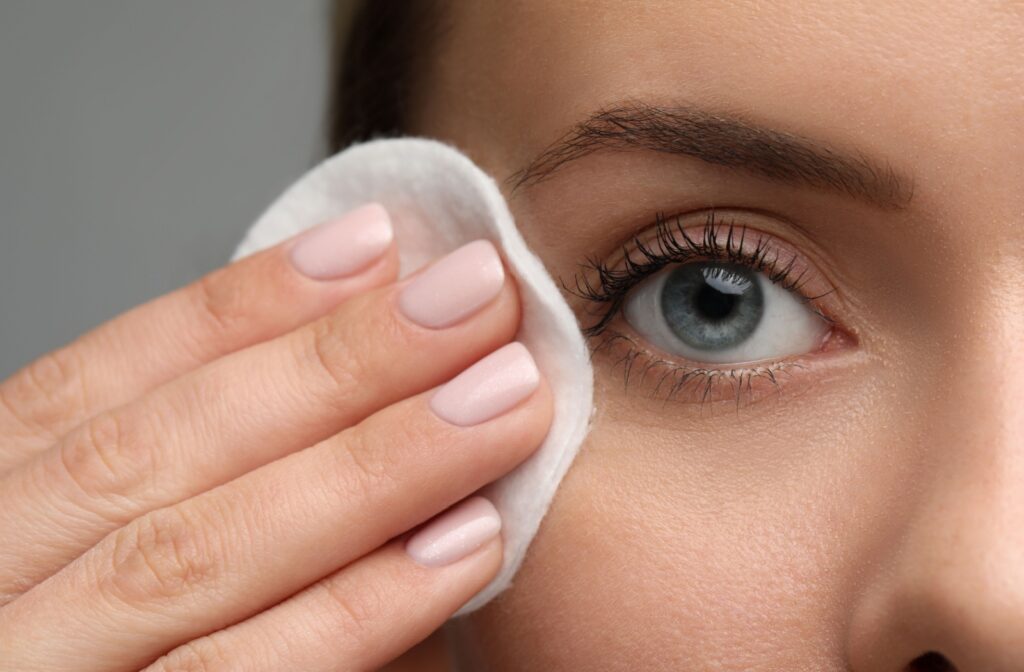
- Warm compresses: Applying a warm compress to your eyes can help loosen the hardened oil in your glands
- Lid scrubs: Gently cleaning your eyelids can remove debris that might contribute to blockages
- Blinking exercises: Making an effort to blink fully and often, especially during screen use, can help evenly distribute your tears over your eyes
Lifestyle Habits That Support Eye Health
Your daily habits can also support your efforts to manage MGD. Drinking plenty of water helps with overall hydration, which is good for your body’s tear production. Taking regular breaks from digital screens using the 20-20-20 rule can also help reduce eye strain and dryness.
When to Seek a Professional Opinion
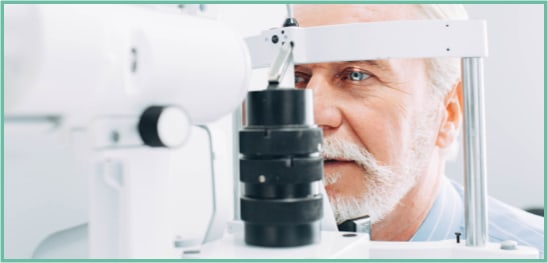
If your at-home care routine isn’t providing enough relief, it may be time to schedule an appointment. Persistent discomfort, redness, or blurry vision are clear signs that a professional evaluation could help. The right care for you can start with a thorough look at your eye health.
Contact Us to Begin Finding Relief
Here at Heartland Eye Consultants, our team can help you find clarity and comfort, despite your dry eye. We take the time to understand your unique situation and create a personalized plan to manage your MGD symptoms. If you’re looking for support from eye doctors in Omaha, Nebraska, contact us to book a consultation.