
You count on your eyes to work together as a seamless team. When they’re aligned, your brain receives a single, clear picture of the world. But what happens if your eyes are slightly out of sync? This is a challenge the team at Heartland Eye Consultants can help address.
Binocular vision dysfunction (BVD) occurs when your eyes are slightly misaligned, causing constant strain that can lead to a range of symptoms, from headaches and blurry vision to difficulty reading.
How BVD Affects You
Because BVD forces your eye muscles and brain to work overtime, you might notice symptoms that don’t seem connected to your vision at first, like physical discomfort.
Common Physical Symptoms
Some of the physical symptoms associated with BVD include:
- Headaches or migraines
- Dizziness, nausea, or motion sickness
- Neck, shoulder, or back pain
- Poor balance or coordination
- Sensitivity to light

What Causes Eye Misalignment?
Several factors can lead to the misalignment that causes BVD. Sometimes it comes from physical differences in your eyes or facial structure, while other times it results from a health condition. Because of this, BVD can appear at any age.
Issues with Eye Structure and Sight
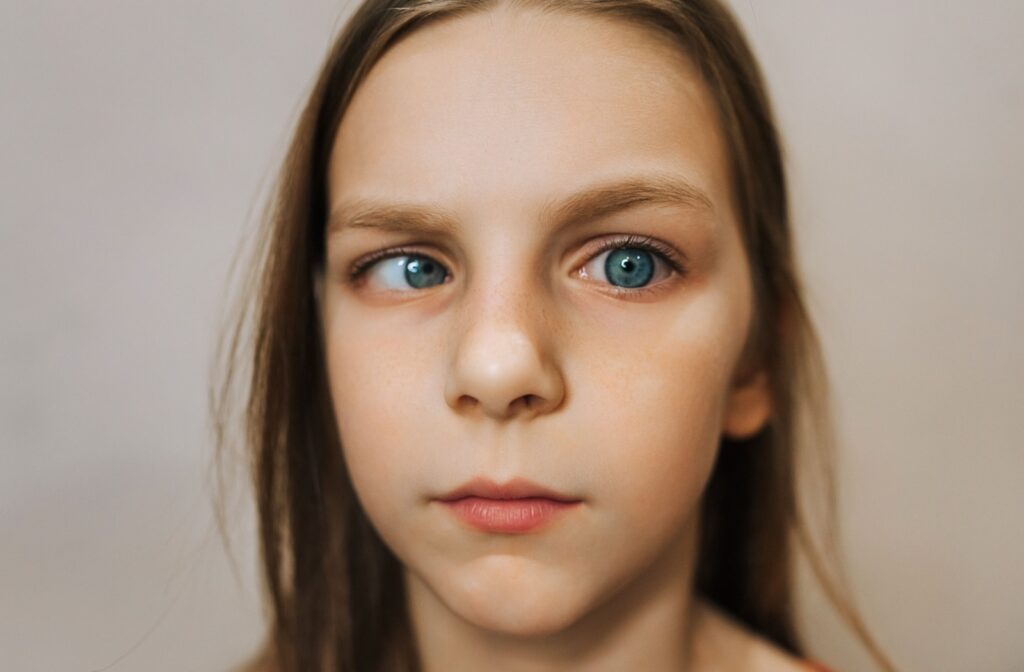
Conditions that affect how your eyes move or work together are a frequent source of BVD. This can include crossed eyes (strabismus) or a lazy eye (amblyopia).
Brain and Nerve-Related Conditions
The connection between your brain and eyes is critical for clear vision. A stroke, concussion, or another type of brain injury can disrupt this pathway and lead to BVD symptoms.
BVD Symptoms in Children and Adults
BVD can affect anyone, but the signs may look different depending on your age. Many of the symptoms are often mistaken for other issues, such as learning difficulties in children or chronic migraines in adults.
Signs You Might Notice in a Child
- Frequently tilting their head to one side
- Covering one eye to see more clearly
- A short attention span for schoolwork or struggles with reading
- Sitting very close to the TV or holding devices near their face
Signs You Might Experience as an Adult
- Feeling anxious while driving, especially at night
- A sense of being overwhelmed in crowded places like grocery stores
- Constant eye fatigue after computer work
- Ongoing neck and shoulder pain without another clear cause
What Happens if BVD Goes Untreated?
If BVD isn’t identified, your brain will continue to struggle to create a single, clear image. This can make symptoms like headaches, dizziness, and eye strain feel more intense over time. For children, untreated BVD (especially when associated with a lazy eye) can affect how their vision develops.
How BVD Is Diagnosed and Treated
Once you receive the correct diagnosis, treatments are available to help improve how your eyes work together. The first step is often a full evaluation to find the nature of the eye misalignment.
Get a Binocular Vision Exam
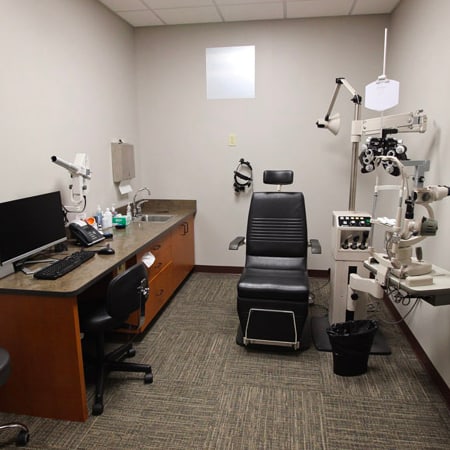
An eye doctor can perform a binocular vision evaluation to check for BVD. This process often includes reviewing your health history, conducting a detailed eye exam, and using tests to measure how well your eyes work together.
Micro-Prism Lenses and Vision Therapy
Treatment often involves special glasses with micro-prism lenses. These lenses bend light in a way that helps your brain combine the 2 images from your eyes with less visual strain. For some, a program of vision therapy (a set of exercises for your eyes and brain) can also help improve communication and teamwork.
Find Comfort Again
If you recognize these signs in yourself or your child, the team at Heartland Eye Consultants can help. Contact us today to schedule a comprehensive eye evaluation and find out whether BVD is contributing to your discomfort.