

Key Takeaways
- Botox around the eyes targets crow’s feet and brow lines by relaxing the muscles associated with them.
- Most results last 3 to 4 months, though some people see effects up to 6 months.
- Treating more frequently than recommended may increase the risk of reduced effectiveness over time in some people.
- Your age, activity level, and eye-area anatomy all shape how often you should book appointments.
- A personalized plan from eye doctors in Omaha helps tailor your treatment to your unique eye structure.
Maybe you notice that those fine lines around your eyes seem a little deeper than they did a year ago. Maybe your brow looks more furrowed, even when you’re relaxed. Botox is one of the most common ways people address those changes, but one question tends to come up again and again: How often can you actually get it done? At Heartland Eye Consultants, we work with our patients to build treatment plans around their individual needs and eye anatomy.
For most people, Botox around the eye area should be scheduled every 3 to 4 months, though your specific timing depends on your age, how your body responds, and the specific concerns you’re treating.
What Botox Does for the Area Around Your Eyes
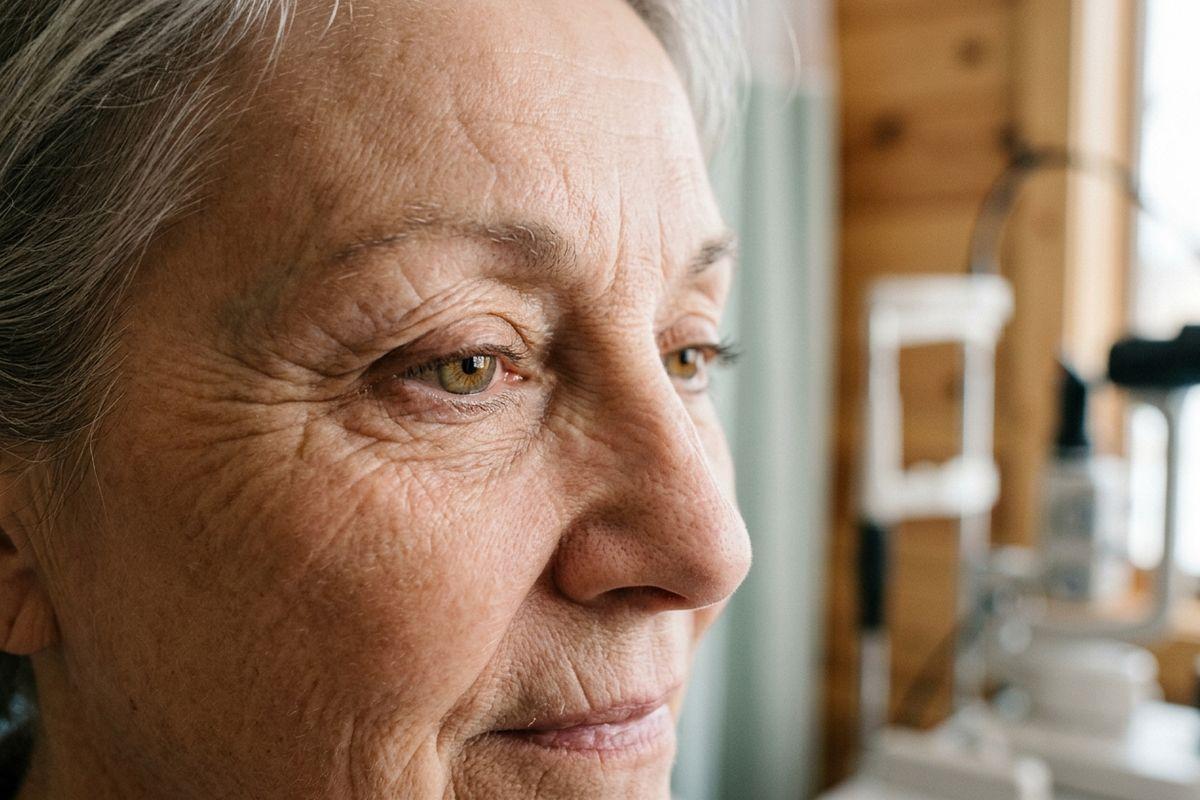
The skin around your eyes is very delicate and thin. Every squint, smile, and expression can cause the muscles under this area to move, and over time, those repeated movements create lines that stay visible even when your face is at rest.
Botox temporarily relaxes targeted muscles, which helps soften the appearance of dynamic lines around the eyes. For the eye area specifically, that can mean:
- Softening crow’s feet at the outer corners of your eyes
- Reducing the lines that form between your brows
- Giving the eye area a more rested, open look
Results, though different for everyone, typically begin showing within 24 to 48 hours, with full results usually visible around 2 weeks after treatment. If you’re exploring other noninvasive options for the eye area alongside or in place of Botox, nonsurgical skin tightening treatments can complement your plan without adding recovery time.
How Long Botox Results Typically Last
The Average Timeline
For most people, results around the eye area last somewhere between 3 and 4 months. That’s not a hard rule, though. People who have been getting Botox consistently for a year or more sometimes find their results stretch closer to 5 or 6 months. Over time, treated muscles can weaken slightly, which can sometimes mean they need less frequent injections to stay smooth.
Why Botox Wears Off Faster for Some People
A few things can shorten how long your results last. It’s worth knowing about these so you can plan around them. Here are a few reasons why Botox can wear off faster:
- High levels of physical activity can speed up how quickly your body processes the treatment
- Regular sun exposure near the eye area can impact overall skin health
- Individual metabolism differences mean some people simply process Botox more quickly than others
None of these factors mean Botox won’t work for you. They just mean your recommended schedule might look a little different from someone else’s.
How Often You Should Schedule Treatments
General Treatment Frequency by Age
Age plays a role in how often our team may recommend treatments. Younger people often use Botox as a preventive step, while those in their 40s and beyond may need more consistent upkeep to manage lines that have been forming for years.
Here is a general timeline by age that can serve as a starting point for you and your eye doctor:
- In your 20s, every 4 to 6 months is common
- In your 30s to 40s, every 3 to 5 months may be recommended as lines become more established
- In your 50s and beyond, every 3 to 4 months can help keep results consistent
Why Spacing Treatments Matters
Getting Botox too frequently can actually work against you. Most providers recommend waiting about 3 to 4 months between treatments. Treating more frequently than recommended may increase the risk of reduced effectiveness over time in some people. Consistent timing supports longer-lasting results and helps the treatment stay effective over the long term.
Pairing Botox with treatments like TempSure radiofrequency therapy can also help address nearby skin concerns between sessions without interfering with your Botox schedule.
Signs It’s Time for Your Next Appointment
You don’t need to wait until lines are fully back to book your next visit. There are a few signals your body gives you that suggest it’s time to come see your eye doctor. Keep an eye out for:
- Crow’s feet or forehead lines that are starting to become visible again
- The area around your eyes looks more tired than it did after your last treatment
- Your facial expressions feel less smooth, and you notice more muscle movement than before
Catching these early, rather than waiting until lines are fully set, can help make each treatment more effective. It’s also a good opportunity to mention any other eye-area changes you’ve noticed, since symptoms like dryness or discomfort around the eyes can sometimes signal something separate from cosmetic concerns.
What to Expect from a Personalized Botox Plan
How a Treatment Plan Is Tailored for You
No 2 pairs of eyes are exactly alike, which is why a good treatment plan isn’t 1-size-fits-all. Dosage gets adjusted based on how your muscles responded to previous treatments. Where the product is placed depends on your specific eye-area anatomy, including how your brows sit, how your skin folds, and how your muscles move when you express yourself naturally.
Why Get Botox with Your Eye Doctor?
Our eye doctors in Omaha bring a specific depth of knowledge to Botox treatments that directly involves the eye area. Because they already understand how the structures around your eyes work together, including muscles, eyelid position, and orbital anatomy, treatment decisions are made with that full picture in mind.
Your unique eye structure isn’t an afterthought. It guides the entire plan.
Schedule Your Consultation
At Heartland Eye Consultants, our team takes time to understand your eyes before making any recommendations. If you’re curious about Botox around the eye area and want a plan built around your specific needs, we encourage you to schedule a consultation today.