
Key Takeaways
- IPL uses broad-spectrum light to target tissues around the eyes and address dry eye symptoms.
- Radiofrequency (RF) treatment can be paired with IPL to reach deeper tissue layers.
- Meibomian gland dysfunction is a common cause of dry eye that IPL can help manage.
- Most people need 3 to 4 sessions spaced a few weeks apart.
- Dry eye relief can last 3 to 6 months, with follow-up sessions available to maintain results.
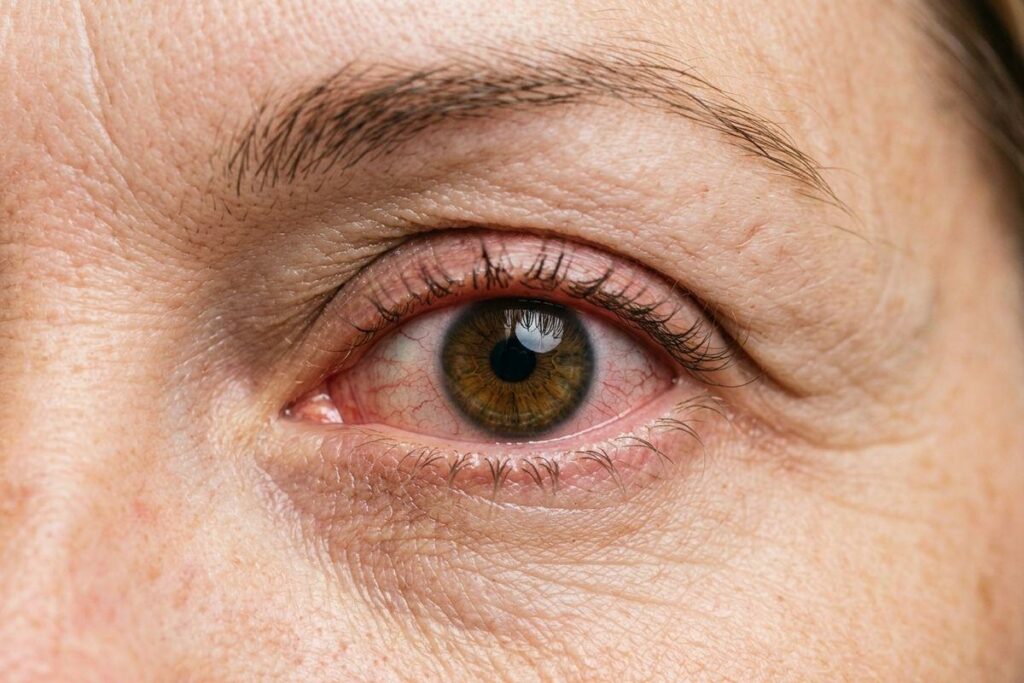
Maybe your eyes feel dry and gritty by midday, or maybe you’ve had to stop wearing contact lenses because your eyes just feel too dry. Even if you blink more than usual, nothing seems to clear the irritation you feel. At Heartland Eye Consultants, we know that many of our patients feel like they’ve tried everything to find relief, but there may be something you haven’t heard of yet.
Intense pulsed light therapy, or IPL, is a noninvasive light-based treatment that uses light to address certain types of dry eye and other concerns around the eye area, including redness, visible vessels, and sun-damaged skin. When combined with radiofrequency (RF) technology, it can reach both the surface and deeper layers of tissue near the eyes.
How IPL Therapy Works
Intense pulsed light therapy, or IPL, sends short bursts of broad-spectrum light into the skin around your eyes. The gentle heat generated by the treatment helps reduce inflammation and improve meibomian gland function.
RF treatment can be used alongside IPL. While IPL works closer to the surface, RF is designed to reach deeper tissue around the eye area. Together, they give the eye doctor more tools to address what’s actually happening beneath the skin, not just what you see on top.
IPL and RF for Dry Eye Treatment
What Is Meibomian Gland Dysfunction?
Your eyelids contain tiny glands called meibomian glands. They produce the oily layer of your tear film, which keeps tears from evaporating too quickly. When these glands get blocked, that oily layer breaks down, causing your eyes to dry out faster. Meibomian gland dysfunction is one of the most common causes of persistent dry eye.
IPL targets the inflammation around those blocked glands. Reducing that inflammation can help the glands function more normally, which supports a more stable tear film throughout the day.
What to Expect During Treatment
Each session is straightforward. Protective eye shields are placed over your eyes before the light pulses begin. The treatment itself is brief, and most people describe a warm, almost tingling sensation on the skin.
Here are a few other things to note about IPL:
- Most treatment plans include 3 to 4 sessions spaced a few weeks apart
- RF treatment may be recommended to be added during the same appointment to address deeper tissue
- IPL is noninvasive, so most people find they can go back to their normal day afterwards
Conditions IPL Can Address Around the Eyes
IPL isn’t only for dry eye. The same light energy that helps meibomian gland function can also address other concerns in the skin around your eyes.
For example, those with redness or rosacea may find some improvement. Sun damage or pigmentation changes can also be helped by IPL. If you’ve noticed redness along your eyelid margins or a patchy skin tone near your eyes, those are worth mentioning during a consultation. They may all be treatable in the same session.
What to Know Before Your First IPL Session
Who Is a Good Candidate for IPL?
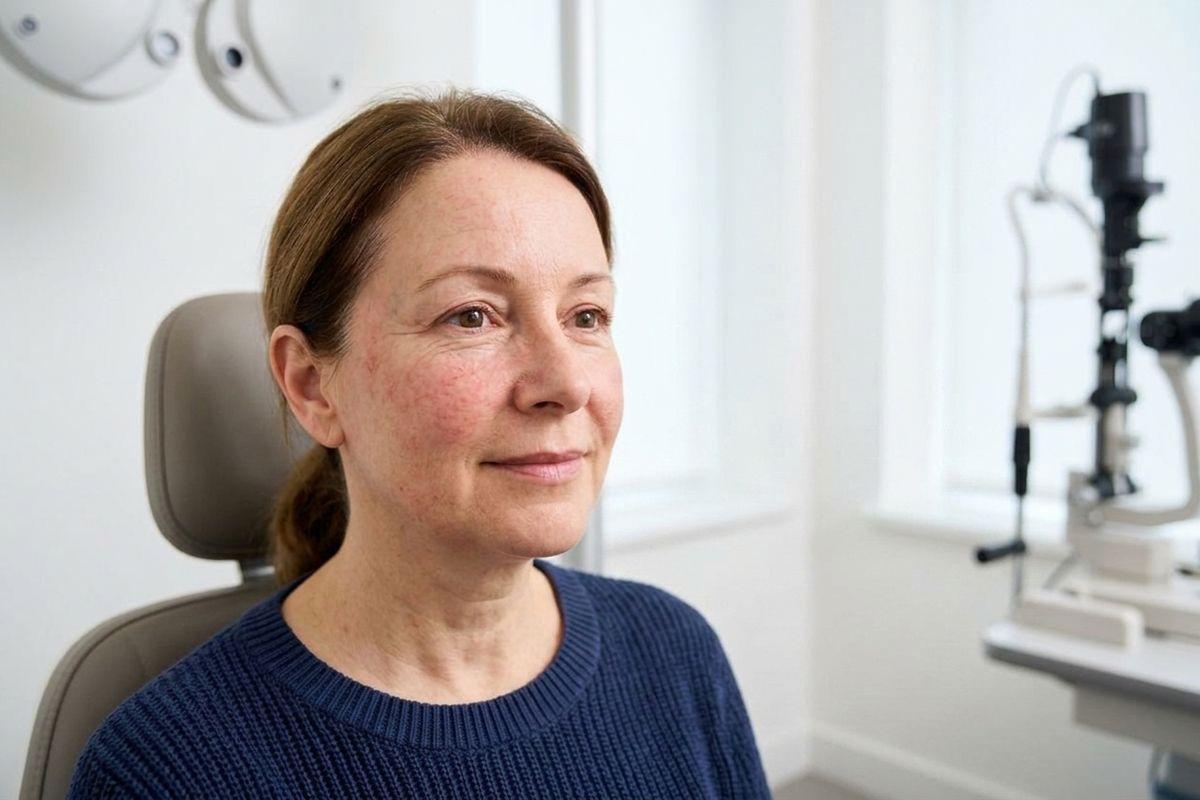
IPL can be effective for many skin tones, but the treatment settings need to be matched carefully to your skin type. Because IPL targets pigment, people with darker skin tones may require different treatment settings, and not every IPL device is appropriate for every skin type. Your eye doctor can determine whether IPL is a safe option for you.
It’s also not right for those with active sunburns or certain skin conditions at the time of treatment.
How to Prepare
A little preparation goes a long way. Staying out of direct sun for a few weeks before your appointment gives your skin a helpful starting point. On the day of your session, skip the makeup, perfume, and any products that might irritate your skin.
Eye doctors in Omaha can also review your full eye history before your first session. That review helps our team understand your specific situation and tailor the treatment plan to what your eyes actually need.
Results, Recovery, and How Long IPL Lasts
After a session, you might notice mild redness around the treated area. That typically fades within a day or 2, and shouldn’t be very uncomfortable.
Dry eye relief from IPL can last anywhere from 3 to 6 months. That range varies from person to person depending on the severity of gland dysfunction and how the eyes respond to treatment. For some people, follow-up sessions may be recommended to help maintain those results over time.
Think of it less like a 1-time fix and more like a manageable treatment schedule, similar to how you’d approach other ongoing eye care needs.
Schedule Your Appointment
If dry, irritated eyes have been affecting your daily life, IPL and RF treatments may be worth exploring. Our team at Heartland Eye Consultants takes the time to assess what’s going on with your eyes before recommending any treatment plan. Schedule a consultation today to discover if IPL is a good fit for you.