Pregnancy brings a lot of changes to your body, and your skin is no exception. Between hormonal shifts and the natural stress of growing a baby, it makes sense to wonder about your beauty routine, including whether Botox is still on the table.
The short answer is that most doctors recommend pausing Botox during pregnancy, not because it’s been proven harmful, but because there simply isn’t enough research to confirm it’s safe.
At Heartland Eye Consultants, we offer aesthetic treatments, including noninvasive skin treatments, that can be revisited once you’re ready postpartum.
What Botox Is & How It Works
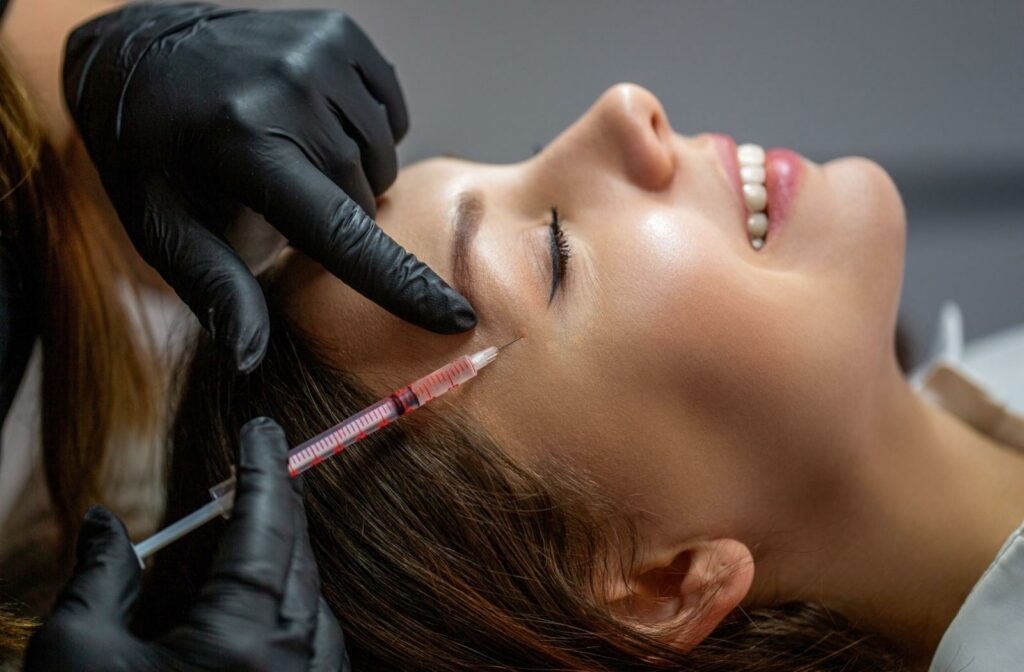
Botox is a purified protein that, when injected in small amounts, temporarily relaxes the muscles underneath your skin. That’s what smooths out the lines around your eyes, forehead, and mouth. These effects are temporary, usually lasting three to four months. The Botox itself stays localized at the injection site rather than moving through your entire body.
Is Botox Safe During Pregnancy?
What the FDA Says
The FDA places Botox in Category C for pregnancy. That classification means there aren’t enough human studies to call it safe, but it also hasn’t been proven harmful. The challenge is that large-scale studies on Botox use during pregnancy simply don’t exist, and they likely won’t for ethical reasons.
Because of that gap in research, there’s no clear green light to proceed.
The Cautious Approach Most Doctors Take
When something is elective and the safety data is unclear, most doctors lean toward waiting. That’s the general guidance around cosmetic Botox during pregnancy. The results you’d get aren’t worth introducing any uncertainty.
Waiting until after pregnancy and breastfeeding is the low-risk path, and it’s the one that most medical professionals support.
What Happens If You Already Got Botox While Pregnant
If you received a cosmetic Botox treatment before you knew you were pregnant, there’s no reason to panic. The doses used for cosmetic purposes are small, and the protein stays close to the injection site; it’s not circulating through your bloodstream in a way that would easily reach your baby.
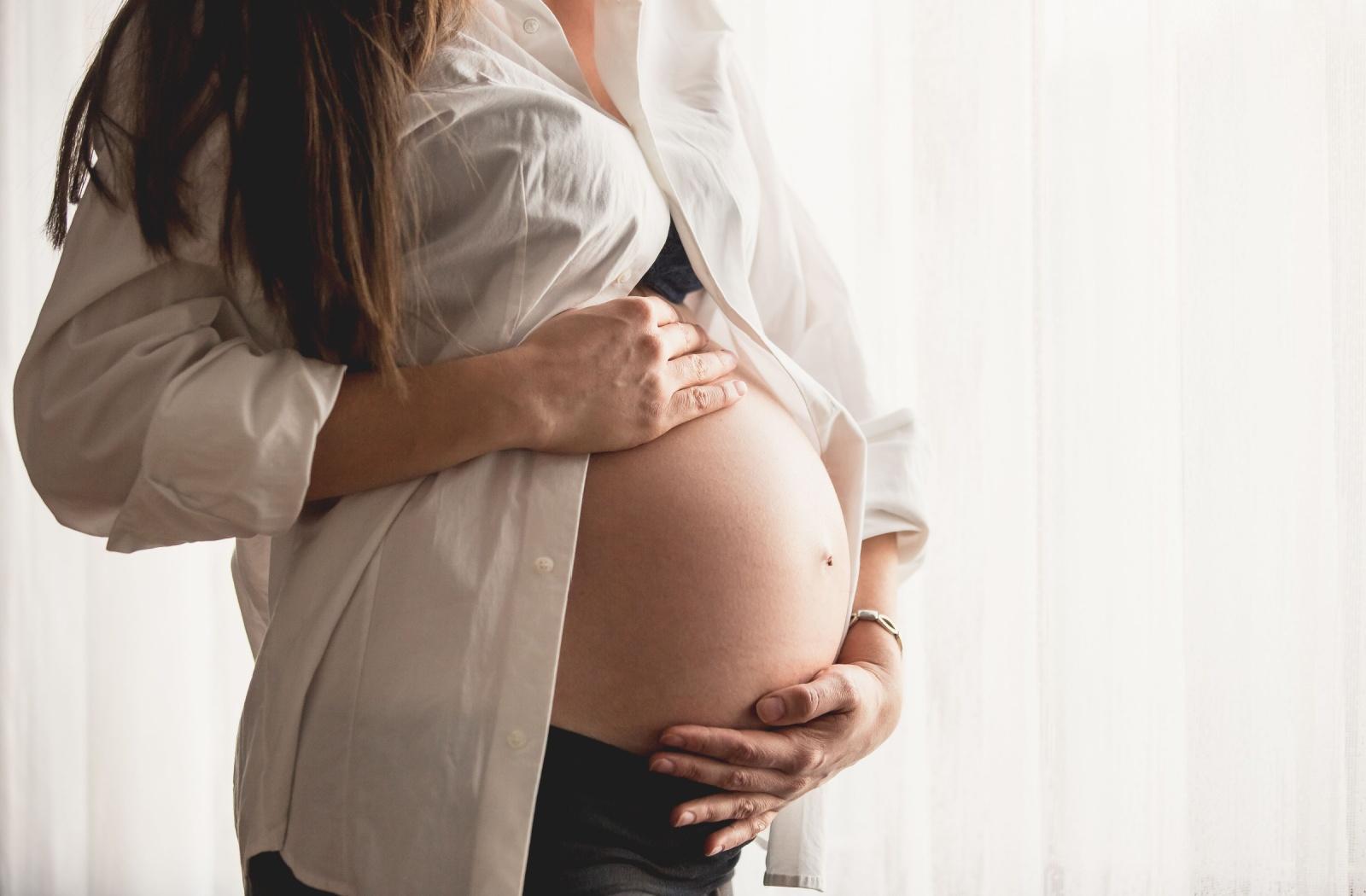
A review of nearly 400 pregnancy cases where Botox was used showed no increased rate of birth complications. That’s reassuring, though it doesn’t mean Botox gets a full safety clearance going forward. The practical takeaway is that you should skip future appointments until after your pregnancy.
Botox for Medical Conditions During Pregnancy
Common Medical Uses of Botox
If you rely on Botox for something like chronic migraines, the conversation gets a little more nuanced. These aren’t so much elective choices as they affect your daily quality of life. The good news is that migraines often improve naturally during pregnancy due to hormonal changes, so some people find they need less intervention on their own.
Other conditions may still need management, and that’s a conversation worth having with your care team.
Alternatives to Botox While Pregnant
Your skin care routine doesn’t have to come to a standstill just because you’re pregnant. There are pregnancy-safe ingredients, like hyaluronic acid and vitamin C, that can help support your skin’s appearance without any of the uncertainty. A dermatologist or skin care provider can point you toward options that work for your skin type and stage of pregnancy.
It’s also worth knowing that many of the skin changes you notice during pregnancy, including uneven tone, puffiness, and hormonal breakouts, often resolve on their own after delivery. Your skin has a way of recalibrating once your hormones settle back down. When you’re ready to revisit aesthetic treatments postpartum, options like IPL photofacial treatments and radiofrequency skin tightening are worth exploring.
Pregnancy is a season with its own timeline, and your aesthetic goals don’t have to disappear. Reach out to our team at Heartland Eye Consultants to learn more about what aesthetic treatments can look like after pregnancy, and get the personalized guidance you deserve.