
Key Takeaways
- A concussion is a mild brain injury that can change how your brain handles what you see, even when your eyes look healthy.
- Light sensitivity is a common symptom after a concussion, and it often improves with time.
- Simple changes at home, like using lamps and sunglasses, can help you feel more comfortable.
- Specialty tinted contact lenses may help select people manage ongoing light sensitivity.
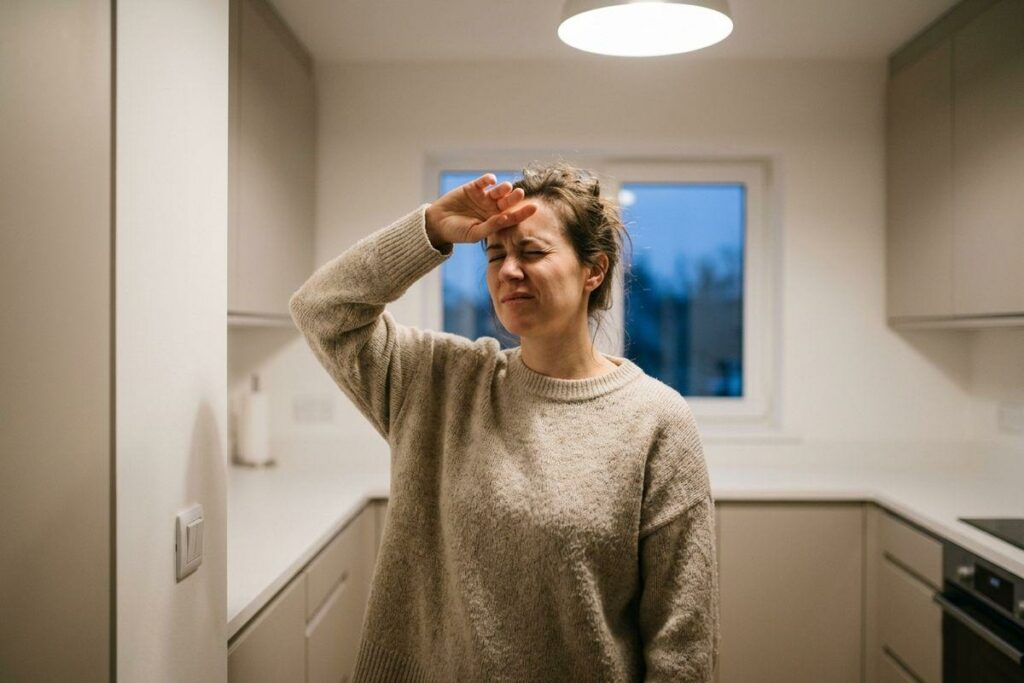
You walk into the kitchen in the morning, flip on the overhead light, and squint like you just stepped into a summer afternoon. After a concussion, moments like this can make simple routines feel draining. At Heartland Eye Consultants, our team hears from many people who are surprised by how much a head injury can affect their visual comfort.
After a concussion, light sensitivity is common, often eases with time, and can be managed with simple daily changes and, for select people, specialty tinted contact lenses. If your symptoms linger, our team’s specialty contact lens services may offer another path toward more comfortable days.
How Can a Concussion Affect Your Vision?
A concussion is a mild brain injury. Even so, it can change how your days feel, from the way you read a menu to how you handle a sunny walk to your car.
Your eyes may look healthy in the mirror, but the way your brain processes what you see can change after an injury.
Light sensitivity is a common symptom after a concussion. Bright rooms, sunny parking lots, and glowing screens may suddenly feel harsh. Even a quick trip through a brightly lit store can leave you squinting.
Common Signs of Light Sensitivity and Other Vision Changes
Signs of Light Sensitivity
Light sensitivity can show up in different ways from one day to the next. You may notice these signs:
- Bright indoor or outdoor light feels uncomfortable.
- Your eyes ache, your head hurts, or you feel worn out after time in bright light.
- Fluorescent lights at school, work, or the store may make your symptoms worse.
Other Vision Changes After a Head Injury
A concussion can affect more than how you handle light. Watch for these changes too:
- Your vision looks blurry or doubled.
- Following moving objects or reading smoothly feels harder.
- Busy places like grocery stores make you feel dizzy.
How Long Does Light Sensitivity Last After a Concussion?
Light sensitivity often improves with time. Some people find their symptoms ease within weeks, while others notice them for months. Blurry vision also often clears on its own.
Recovery looks different for everyone, so try not to measure your progress against someone else’s.
When to Book an Eye Exam
An eye exam can help when symptoms stick around or start to shape your daily life. Consider booking a visit if you notice any of the following:
- Your symptoms persist or worsen after your injury.
- Reading, screens, school, or work feel harder than before.
- You still feel “off” visually after returning to your usual activities.
Simple Ways to Ease Light Sensitivity at Home
A few everyday items can help you feel more at ease when the light gets intense. Try these:
- Wear sunglasses outdoors and test different lens colors to see what feels good.
- Use lightly tinted glasses indoors or on cloudy days.
- Wear a hat with a brim, whether you’re inside or out.
Easy Changes to Your Indoor Light
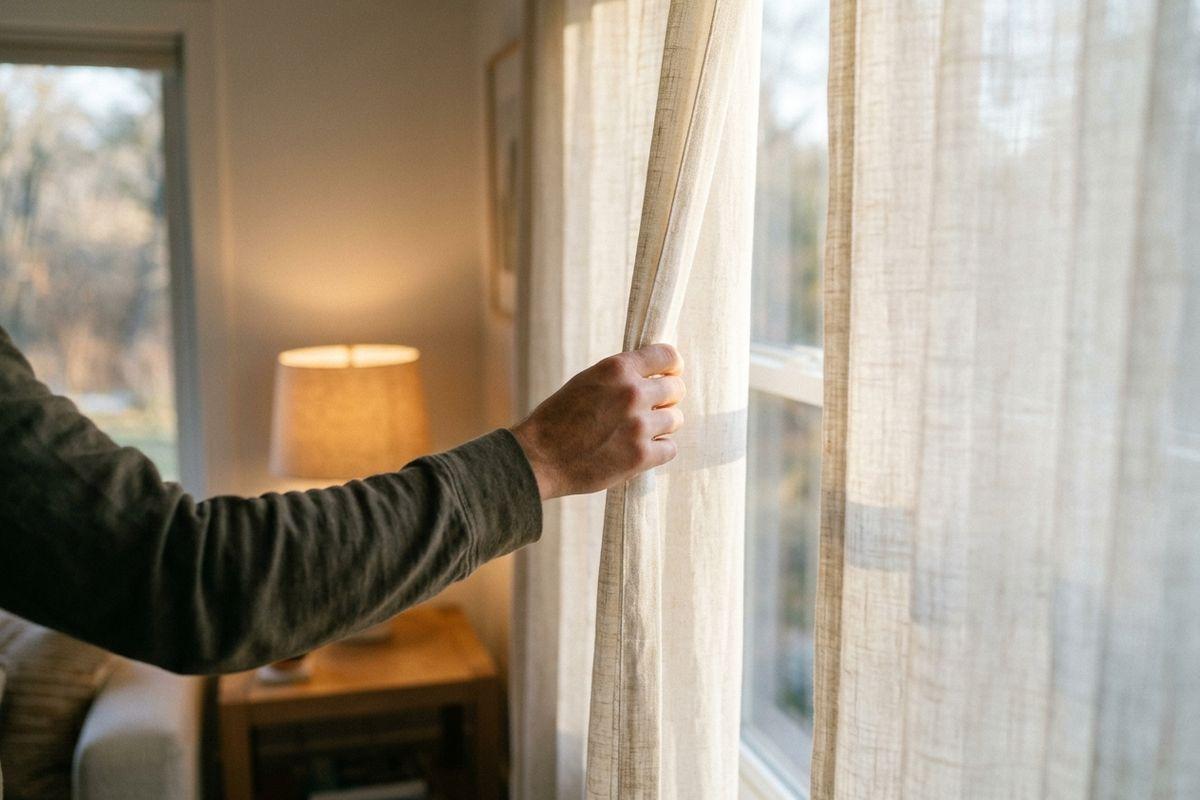
Your home lighting can shape how your eyes feel by the end of the day. Let natural light in whenever you can. Swap bright overhead lights for table or floor lamps.
If your home has fluorescent tubes, dimmable LED lights let you turn the brightness down on tough days.
Slowly Build Your Comfort with Light
Staying in a dark room all day can feel tempting. Instead, try easing back into light a little at a time.
Open the curtains for part of the morning. Turn on a lamp while you read. Take your sunglasses off for short stretches, then slowly make those stretches longer.
Set a timer to track how long you spend in brighter spaces. Watching those minutes add up can show you how far you’ve come.
How Tinted Contact Lenses May Help with Light Sensitivity
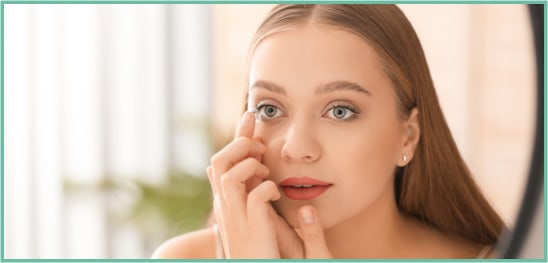
Specialty tinted contact lenses may help select people manage ongoing light sensitivity after a concussion. The tint sits right on your eye and can filter some of the light coming in, so bright rooms and screens may feel softer. They can be a good choice if you want an option besides tinted glasses, especially on days when glasses feel like one more thing to carry.
Whether they suit you depends on your eyes and your symptoms.
Find Comfort with Our Team
Light sensitivity after a concussion can make ordinary days feel heavy, but you have options. Simple changes at home can bring relief, and specialty tinted contact lenses may help if your symptoms linger.
Book an appointment with Heartland Eye Consultants to talk through your symptoms and explore what may work for your eyes.