
Key Takeaways
- Visual processing disorder (VPD) means the brain has trouble making sense of what the eyes see.
- VPD can happen even with 20/20 vision, and it has no link to intelligence.
- Signs can show up at school, during sports, and in everyday tasks.
- Eye doctors in Omaha can check visual processing skills that a standard eye exam may not cover.
- Vision therapy, home activities, and school support can help your child manage VPD.
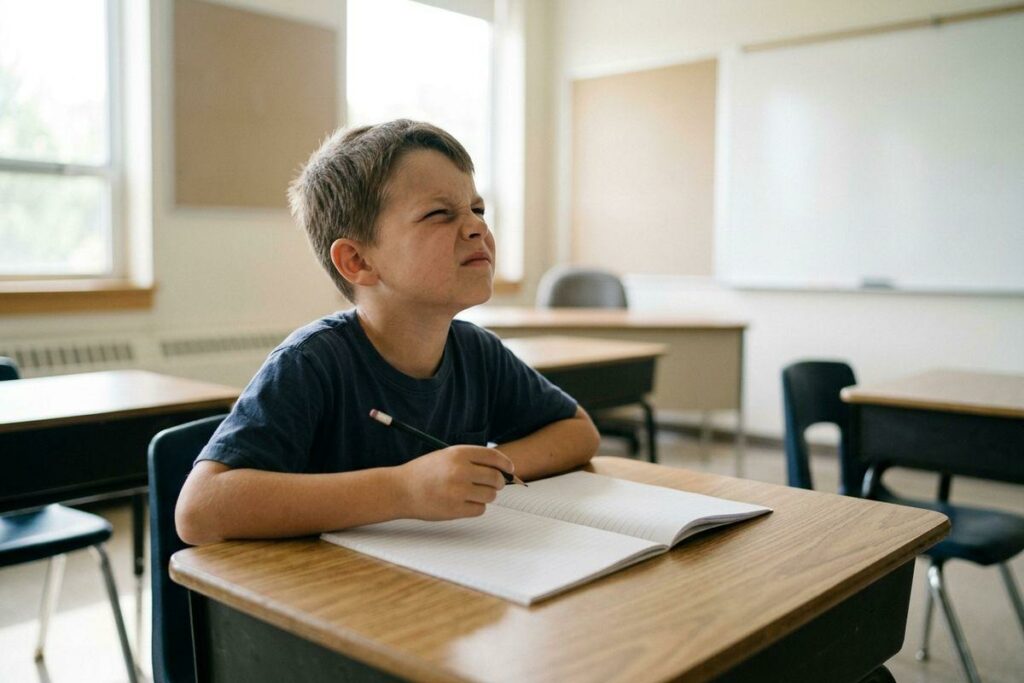
Your child reads the same line twice, mixes up b and d, and comes home upset after a long day of copying notes from the board. You’ve had their eyes checked, and the chart says their sight is fine. At Heartland Eye Consultants, our team meets families who feel stuck at this exact point.
Visual processing disorder (VPD) is a condition where the brain has trouble making sense of what the eyes see, and vision therapy may help your child build the skills to manage it. A visit for specialized eye care with our team can help you find answers and a clear plan.
What Is Visual Processing Disorder?
With VPD, your eyes can take in a clear picture, but your brain has trouble sorting it out. This is different from nearsightedness or farsightedness, which affect how the eye focuses.
You can have 20/20 vision and still have VPD.
Why Glasses Alone Don’t Fix It
The issue starts in the brain, not in how your eyes focus. Glasses or contacts can sharpen what you see, but they don’t change how your brain processes it.
How VPD Relates to Intelligence
VPD isn’t linked to how smart you or your child are. A child who struggles to copy notes might solve math problems in their head easily. This is because VPD is an issue with how the brain processes visual information, not with intelligence.
Common Signs of VPD in Kids and Adults
Signs at School
You or your child’s teacher may notice these signs in the classroom:
- Your child mixes up similar letters, like b and d.
- Your child skips lines or rereads the same line.
- Your child has trouble copying notes from the board.
Signs in Everyday Life
Outside the classroom, these signs can show up for kids and adults alike:
- You bump into objects while walking.
- You have trouble judging distances or reading maps.
- Your reactions feel slow during sports or driving.
How It May Affect Your Child’s Mood
Reading one page can feel like running a mile for a child with VPD. Your child may feel frustrated with schoolwork or sports. Some kids start to avoid certain activities, or even school itself.
Where Does VPD Come From?
VPD starts in the brain, not the eyes. It’s sometimes associated with cerebral visual impairment.
Risk Factors in Children
Some factors may raise your child’s chances of having VPD, including:
- Children born prematurely.
- Cerebral palsy or Down syndrome.
- Specific developmental delays.
VPD in Adults
VPD is often found in childhood and may last into adulthood. Some neurological conditions may also be associated with VPD. It can last a lifetime, but you can manage it with the right support.

How an Eye Doctor Can Check for VPD
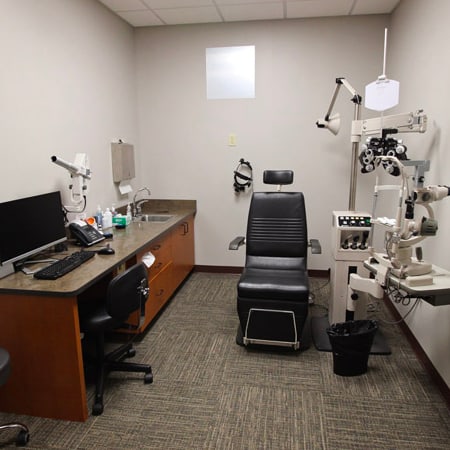
A standard eye exam usually checks how clearly you see, not how your brain handles what you see. Eye doctors in Omaha offer specialized vision testing to look at these skills. Early answers can help your family find support sooner.
What the Exam May Check
During the appointment, the eye doctor may assess your child or yourself for skills like:
- Being able to tell shapes, letters, and objects apart.
- Visual memory and figure-ground skills, like spotting a specific object in a cluttered room.
- Hand-eye coordination.
How Vision Therapy May Help
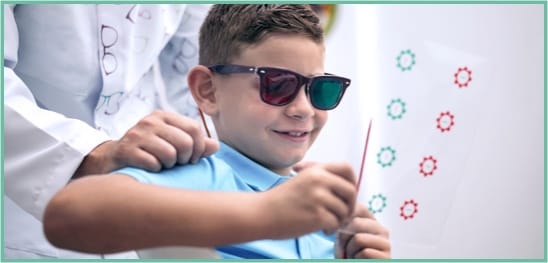
Vision therapy is a personalized program of exercises and activities designed to improve the eye-brain connection. The eye doctor may use lenses, prisms, and other tools as part of the plan. Occupational therapy may also help with daily tasks.
During vision therapy, you or your child may be asked to track objects, hold focus, practice hand-eye coordination, and visual memory. Every vision therapy program is tailored to you or your child’s unique needs, so there is no 1-size-fits-all solution.
Simple Ways to Help at Home
Small habits at home can support the work you or your child does in visual therapy:
- Spend 15 minutes a day on puzzles or memory games.
- Have your child use a finger or ruler to guide their reading.
- Break tasks into small, simple steps.
Support at School
You can ask your child’s teachers about fewer visual distractions near their desk and extra time for tasks. Large-print materials or lined paper may make reading and writing easier. You can also work with teachers on an individualized education program built around your child’s needs.
Find Support for VPD in Omaha
VPD can make school, sports, and daily life feel harder, but the right support can help your child keep up and enjoy learning again. Heartland Eye Consultants works closely with your primary care physician to provide specialized eye care in a compassionate and caring way. Book an appointment with our team to learn how vision therapy may help your child.