

Key Takeaways
- Dry eyes happen when your eyes make too few tears, low-quality tears, or tears that dry up too fast.
- Dry, irritated eyes can make extra reflex tears that don’t give lasting moisture.
- Allergies, infections, blocked tear ducts, or contact lens discomfort can also make your eyes water.
- Artificial tears and a humidifier can help ease mild symptoms at home.
- An eye exam can help find what’s behind your symptoms and guide a personalized plan.
You dab your eyes with a tissue during a meeting. A few minutes later, that scratchy, dry sting comes right back. Eyes that feel dry and run with tears at the same time can seem confusing. Our team at Heartland Eye Consultants hears about this mix of symptoms often, and the explanation is often simpler than you might expect.
Dry eyes can cause watery eyes because the irritation from dryness prompts your eyes to make extra reflex tears, and those tears don’t give your eyes lasting moisture. If this pattern sounds familiar, dry eye care can help you find out what’s going on and work toward relief.
What Are Dry Eyes?
Healthy tears are more than water. They contain a blend of water, oil, and mucus that coats the front of your eye with every blink.
Dry eyes happen when your eyes don’t make enough tears or when the tears they make are low quality. Your tears may also dry up too quickly between blinks.
Either way, your eyes can feel parched and tired.
How Dry Eyes Lead to Watery Eyes
Your Eyes React to Irritation
When the surface of your eye feels dry, it gets irritated. Your eyes may respond with a rush of extra tears, often called reflex tears.
These tears can spill over your lashes and run down your cheeks. However, reflex tears don’t give lasting moisture, so the dry, scratchy feeling soon returns.
A Cycle of Dryness and Tears
Here’s how the cycle often plays out:
- Your eyes feel dry.
- The dryness irritates your eyes.
- Your eyes make extra reflex tears.
- The tears fade, and the discomfort comes back.
Teary eyes don’t always mean your eyes have enough moisture. A wet, runny eye can be a sign your eyes need more support.
Signs of Dry Eyes and Other Reasons for Watery Eyes
Common Dry Eye Symptoms
Dry eyes can show up in different ways from person to person. You may notice these symptoms:
- Your eyes burn or sting.
- Your eyes look red.
- Your eyes feel gritty, like sand or an eyelash is stuck inside.
- Your vision turns blurry at times.
- Bright light feels uncomfortable.
Other Reasons Your Eyes May Water
Watery eyes can have other sources, too, such as these:
- Seasonal allergies or irritants in the air, such as pollen or smoke, can make your eyes water.
- Eye infections can lead to tearing.
- Eyelid inflammation can leave your eyes watery and sore.
- Blocked tear ducts can keep tears from draining.
- Contact lens discomfort can make your eyes tear up.
Since several issues can look alike, an eye exam can help sort out what’s behind your symptoms.

Simple Tips for Dry Eye Relief at Home
A few small changes can help ease mild dry eye symptoms. Try these tips:
- Reach for artificial tears instead of rubbing your eyes when they feel scratchy.
- Add a humidifier to rooms you use often, like your bedroom or home office.
- Drink water throughout the day.
- Eat foods with omega-3s, such as salmon, walnuts, and flaxseed.
- Aim for 7 to 8 hours of sleep each night.
These habits can support everyday comfort. For symptoms that linger, a professional exam can help.
What Kind of Doctor Treats Dry Eyes?
Both optometrists and ophthalmologists can treat dry eyes. An optometrist is an eye doctor who can prescribe glasses, contacts, and eye medications for eye disease. An ophthalmologist is a medical doctor and performs surgery for eye diseases.
The eye doctors at Heartland Eye Consultants in Omaha specialize in dry eye disease and develop customized treatments for each individual patient based on clinical examination and multiple dry eye tests.
What to Expect at Your Dry Eye Exam
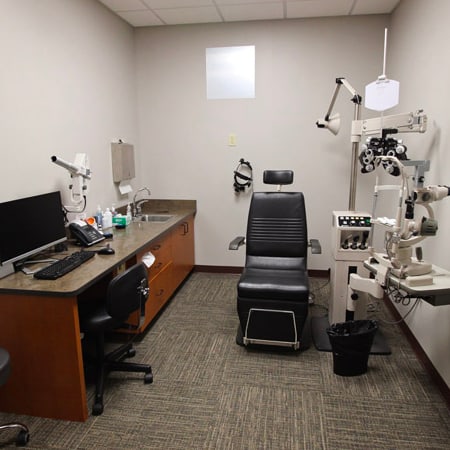
Your visit gives your eye doctor a close look at your eyes and tears. During the exam, your eye doctor can take these steps:
- Checking your eyelids and tear film layer
- Looking at the quality of your tears and the health of your oil glands.
- Building a personalized plan based on your eyes.
Dry Eye Treatment Options
Depending on what the exam shows, your options may include:
- Prescription treatments can help as part of a dry eye care plan.
- Specialty contact lenses may be a good fit for some people.
- Intense pulsed light (IPL) therapy may be recommended for some people.
- Radiofrequency Treatments
- MiBo ThermoFlow and/or Manual Lid Debridement and Expression
- Low Level Light Therapy
When to Visit Eye Doctors in Omaha
Watch for signs your eyes need a closer look. Book a visit if you notice any of these:
- Your eyes keep watering, or the watering gets worse.
- Your watery eyes come with blurry vision, redness, or discomfort.
- Home tips don’t ease your symptoms.
Find Dry Eye Care at Heartland Eye Consultants
Dry eyes and watery eyes often go hand in hand, and the right care can help you step out of that cycle.
Picture getting through a workday without reaching for a tissue every few minutes.
If you’re looking for eye doctors in Omaha who take the time to learn about your eyes, our team at Heartland Eye Consultants can help. Book an appointment today to talk about your symptoms and find a plan that fits you.