
Key Takeaways
- Styes and chalazia both form red, swollen eyelid bumps, but they start in different ways.
- A stye is usually a tender bump caused by bacteria, while a chalazion comes from a blocked oil gland.
- Warm compresses and gentle lid care can help both heal.
- See an eye doctor if a bump persists, worsens, affects your vision, or keeps coming back.
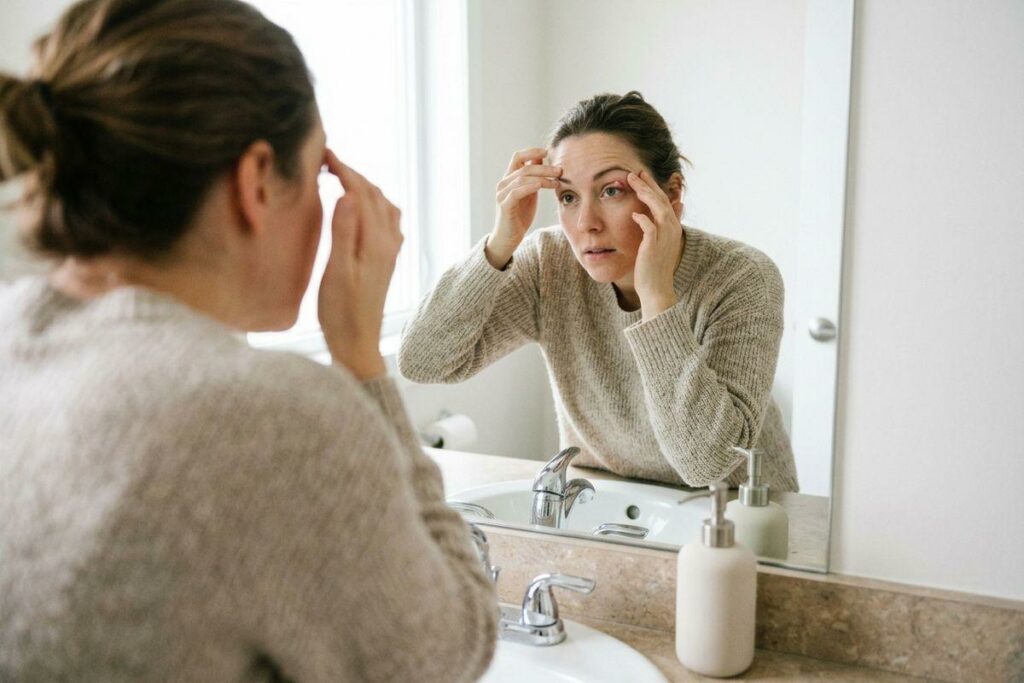
You glance in the mirror and spot a red, puffy bump on your eyelid. It might sting when you blink, or it might just sit there looking stubborn. Our team at Heartland Eye Consultants sees these bumps often, and they usually turn out to be either a stye or a chalazion.
A stye is usually a painful, pimple-like bump caused by bacteria, while a chalazion is a firmer bump from a blocked oil gland that often becomes painless. Both can respond well to home care, but if one lingers, our team can help you find relief.
What Is the Difference Between a Stye and a Chalazion?
Both show up as red, swollen eyelid bumps, and they can be hard to tell apart. Because they start in different ways, they may call for different care.
What Is a Stye?
A stye is a painful bump that may look similar to a pimple. A stye is caused by bacteria and forms at the base of an eyelash or on the inner lining of your eyelid.
What Is a Chalazion?
A chalazion is a firm bump from a blocked eyelid oil gland, not an infection. Over time, it often becomes painless and sits farther back from the lid edge.
Signs and Symptoms of Each Eyelid Bump
Stye Symptoms
A stye tends to make itself known quickly. Watch for these signs:
- A small yellow spot appears at the center of the bump.
- Your eye waters or feels sensitive to light.
- Your eye feels scratchy, as if something is stuck in it.
Chalazion Symptoms
A chalazion feels different, and common signs include:
- The bump feels firmer than a stye.
- Swelling may spread around your eye.
- Your vision may blur if the bump presses on your eye.
How Long Each One Lasts
Styes often drain on their own within a few days. Chalazia take more patience and may take longer to clear.
Neither one has a quick fix, but warm compresses can help the healing along.
Home Care for Styes and Chalazia
Warm Compresses and Gentle Lid Care
Soak a clean washcloth in warm water, wring it out, and rest it over your closed eye for 10 to 15 minutes. Repeat a few times each day. Between compresses, wipe gently along your lash line with a mild eyelid cleanser.
What to Skip While Your Eye Heals
Trying to drain the bump yourself is tempting, but don’t rub or squeeze it, as you could spread bacteria or irritate the area further. If you wear contact lenses, switch to glasses for now. Give eye makeup a break too, and keep your towels and pillowcases to yourself.

Simple Habits to Help Prevent Repeat Bumps
A few small routines can help lower your chances of another bump. Try these habits:
- Remove your makeup before bed.
- Toss cosmetics once they expire.
- Wash your hands before you touch your eyes.
When to See Eye Doctors in Omaha for a Stye or Chalazion
Signs It’s Time for an Appointment
Many eyelid bumps settle down with home care. Schedule a visit if you notice any of these signs:
- The bump persists or worsens despite home care.
- Swelling affects your vision or how your eyelid moves.
- You develop a fever or redness starts to spread.
- You have worsening pain or soreness
- Bumps keep coming back.
Treatment Options from Your Eye Doctor
Care for Styes
For a stubborn stye, your eye doctor may prescribe drops or an ointment. In some cases, oral antibiotics can help. If warm compresses don’t bring relief, the eye doctor may be able to safely drain the stye in the office.
Care for Chalazia
In some cases, a steroid shot may be recommended to help reduce swelling from a chalazion. Another option is a small in-office procedure and/or light therapy to drain the bump. If chalazia keep coming back, the eye doctor may recommend sending a sample to a lab for a closer look.
Personalized Care for Your Eyes
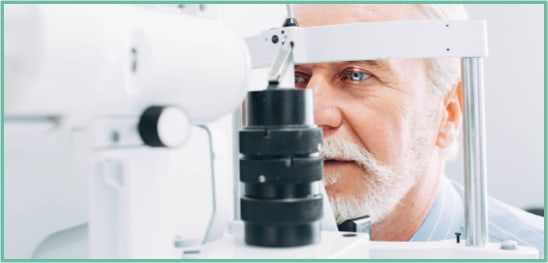
Your visit starts with an eye exam to confirm what’s going on. From there, our team builds a treatment plan around your eyes and shares tips to help you manage eyelid irritation long term.
Schedule Your Visit Today
A sore eyelid bump can make every blink feel noticeable. Gentle home care helps many styes and chalazia heal, and support is close by when one lingers. If a bump persists, worsens, or keeps returning, schedule an appointment with Heartland Eye Consultants so the team can take a closer look and help your eyes feel comfortable again.